Brits ditch fast-paced holidays for quieter trips


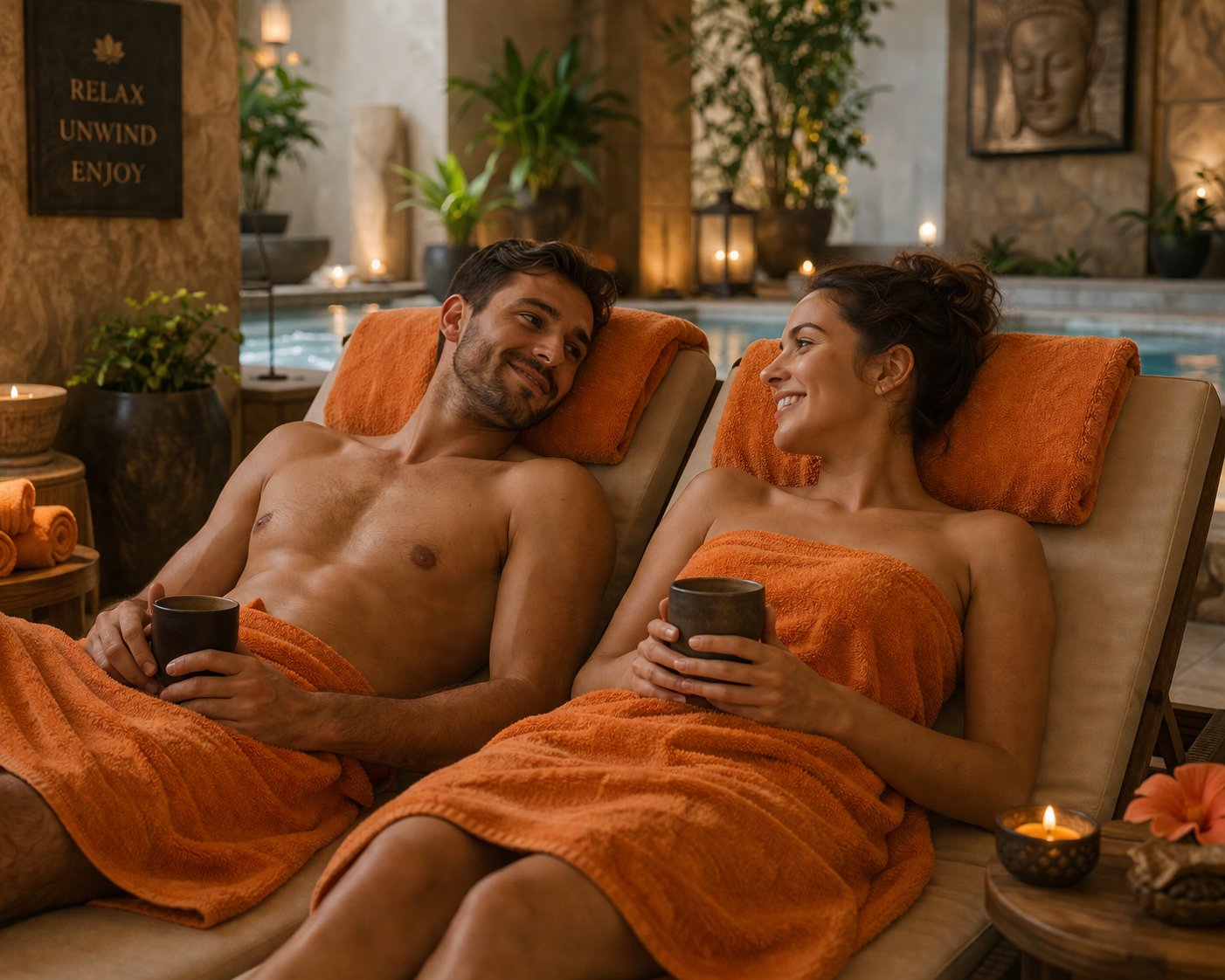
A new survey has revealed that quiet and slow-paced getaways are more sought-after travel trends for Brits in 2026.
Travel insurance experts at Tiger.co.uk have ranked emerging travel trends based on interest among British holidaymakers.
The survey of 1,000 adults in the UK revealed that slow travel is this year’s more popular trend, with a third of those surveyed (33%) saying they would be interested in trying this relaxing vacation style.
The slow travel trend is all about spending more time in one destination and travelling at a gentler pace, rather than rushing around from A to B, giving holidaymakers the chance to immerse themselves in local cultures and soak up the experience.
The second most popular trip this year, quietcations, are a similar style, which focuses on peaceful, low-noise destinations with relaxing activities. With almost a fifth (19%) saying they would choose this style of break, it shows a shift in traveller priorities, and a break away from the recently popular jam-packed, adrenalin-filled trends.
It comes as little surprise that slow and quiet travel are currently the most favoured travel trends, with nine in ten adults (91%) reporting they experienced extreme levels of pressure and stress over the past year, according to The Burnout Report 2026.*
Other trends the survey looked at found that 9% of respondents would consider a tech-free trip, 8% said they would try noctourism – travelling to experience destinations at night, and a further 5% said they would opt for a sleepcation, where the focus is on rest.
The extreme day trip trend which has been growing in popularity over the last couple of years – involving flying somewhere and returning the same day – was noticeably less popular, with only 4% of people voting it as a travel option they’d like to try, showing that people are becoming less interested in busy, action-packed trips.
This supports industry research showing a rise in demand for more authentic breaks, that give people the chance to relax, consider their health and enjoy local cultures.**
Ian Wilson, travel insurance expert and Managing Director at Tiger.co.uk said: “With many people juggling increasingly busy schedules, and airport disruption becoming more frequent, people appear to be looking for slower, more relaxing ways to holiday.
“Trends like quietcations, tech-free trips and sleepcations all show that people are looking for more from their holidays than just sightseeing, they want to unwind, try something different, with an emphasis on wellness.
“While slow travel is about more relaxing experiences and a slower pace of life, trying new foods and pampering spa treatments, travel insurance is still important, right from the moment the trip is booked, to help cover any issues in the build up to departure.
“Travellers need to be careful that no matter what type of holiday they have planned that they check their policy beforehand and add on any extras they might need to help with peace of mind should they be faced with cancellations, lost luggage or medical expenses while trying to relax.”
Sought-after travel trends for 2026:
1.Slow travel – 33%
Slow travel includes stress-free activities and taking each day as it comes, with no set itinerary or rushing around from A to B. This travel trend is for those that want to escape from their busy everyday life and get a chance to switch off. It’s also often considered more environmentally friendly than other, more hectic holiday trends.
2.Quietcations – 19%
Quiet locations away from the hustle and bustle of the city where travellers can unwind and enjoy more peaceful activities such as hiking or yoga.
3.Tech-free trips – 9%
Spending a trip detoxing from screens with no technology, and instead meeting new people and hanging out with friends or enjoying the countryside where phone use is limited.
4.Noctourism – 8%
Noctourism includes exploring the world after dark, camping out or taking trips to areas with dark skies that offer starry nights and Northern Light sightings.
5.Sleepcations – 5%
This trend is for those with hectic schedules who’s ideal break is to simply relax. It’s all about trips which allow you to do nothing but rest, have lie ins, slow days, spa treatments and early nights to regenerate your energy.
6.Extreme day trips – 4%
Extreme day trips or ‘EDTs’ are quick trips with no hotel stays and flights that set off at sunrise, and return you home at sunset so that you can explore new places even if you’re short on time or low on budget.
Tiger.co.uk can help holidaymakers hunt for savings on travel insurance, annual travel insurance, travel insurance for families and those who need travel insurance for pre-existing conditions.
References:
*https://mentalhealth-uk.org/blog/burnout-report-2026-high-stress-pushing-workers-into-sick-leave-as-just-one-in-four-feel-mental-health-is-genuinely-prioritised-and-supported-in-the-workplace/#:~:text=The%20top%20drivers%20of%20stress,accelerate%20with%20the%20handbrake%20on.
**https://www.visitbritain.org/libraries/pdf.js/web/viewer.html?file=https%3A%2F%2Fwww.visitbritain.org%2Fsites%2Find%2Ffiles%2F2025-09%2FVisitBritain%2520Content%2520Framework%25202026%2520-%2520Consumer%2520Trends_0.pdf
Tiger.co.uk’s findings are based on a randomised survey of 1,000 respondents across the UK during March 2026, which represents a margin of error of approximately 5% at a 95% confidence level.
This article is intended as generic information only and is not intended to apply to anybody’s specific circumstances, demands or needs. The views expressed are not intended to provide any financial service or to give any recommendation or advice. Products and services are only mentioned for illustrative rather than promotional purposes.