Drivers warned of online car selling scams


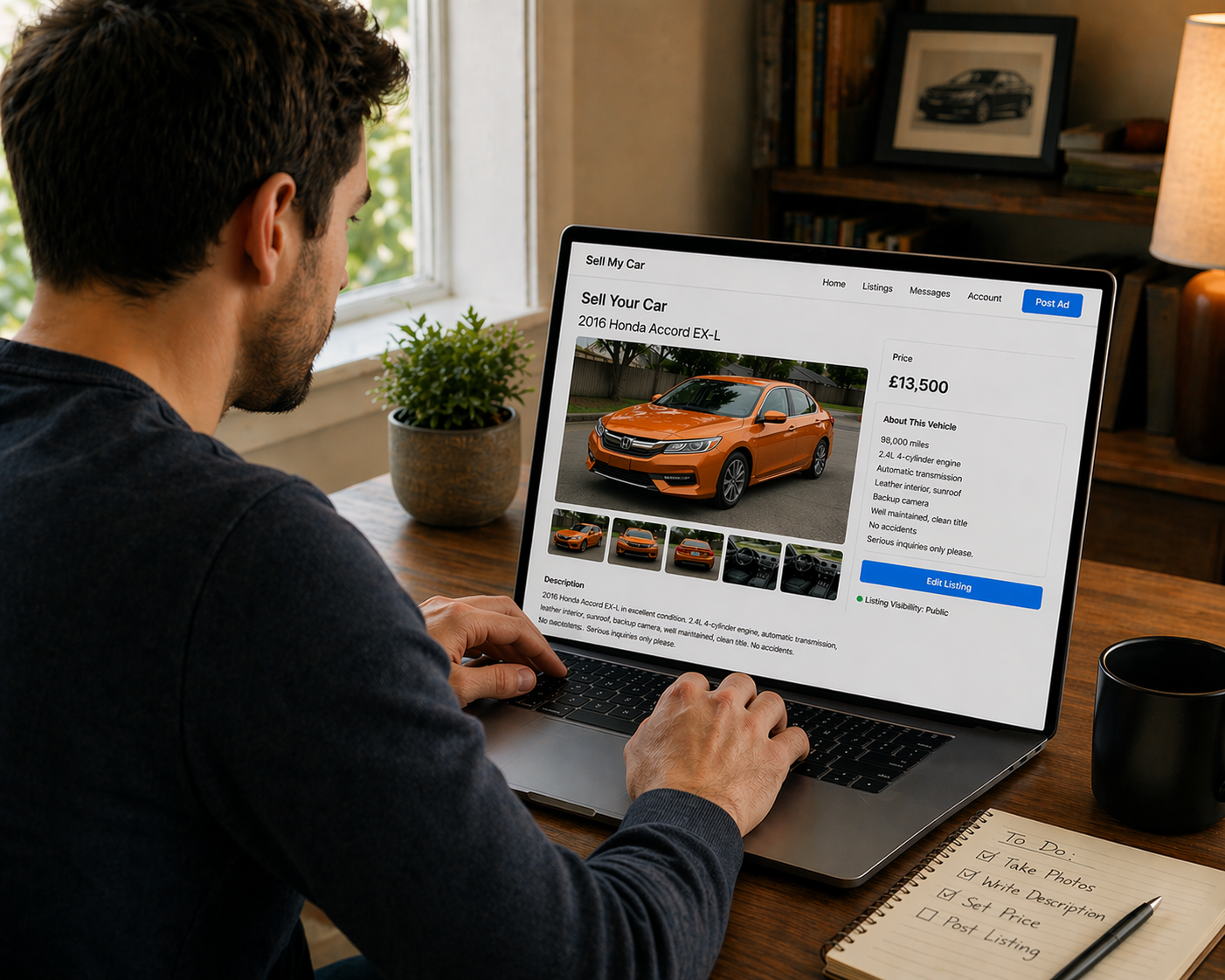
With more motorists turning to online marketplaces to list their vehicles, sellers are being warned to look out for scammers targeting private car sales.
Car insurance experts at Tiger.co.uk have highlighted eight common tactics used by fraudsters and have shared red flags to watch out for when selling a car online.
Online vehicle scams are becoming increasingly sophisticated, with one in five motor dealers reporting they have been a victim of fraud, while a further 31% have experienced attempted scams.*
Motorists often opt for private sales because it allows them to maximise value, but this can leave them vulnerable to fraud if proper precautions aren’t taken.
The speed and convenience of online platforms can make it easier for scammers to operate, particularly when sellers are eager to secure a quick sale. A survey by KPMG of 1118 UK motoring executives found that the majority anticipate cars will mostly be sold online by 2030, making it a priority that drivers know what to watch out for.**
Common scams include buyers sending forged payment confirmations, insisting on using certain platforms that allow reversing transactions, or claiming something broke after the sale and demanding a partial refund.
Among the tactics is the so-called ‘dirty oil trick’, where fraudsters tamper with a vehicle during a viewing to make it appear faulty and force the price down. Scammers may also request to test drive the car on their own and use it as an opportunity to steal it.
Fortunately, there are steps sellers can take to help protect themselves and avoid falling victim to these scams.
Ian Wilson, Managing Director and car insurance expert at Tiger.co.uk said: “Selling your car online can be a great way to secure a better price, but it also comes with risks if you’re not careful.
“Scammers are constantly evolving their tactics, posing as genuine buyers to gain trust before exploiting sellers financially or even stealing vehicles.
“It’s important to stay vigilant, trust your instincts, and never feel pressured into rushing a sale or accepting unusual payment methods.
“From an insurance perspective, it’s important to remember that you remain responsible for the car until ownership is officially transferred. If a vehicle is stolen during a test drive or tampered with during a viewing, you could still be liable, particularly if proper precautions haven’t been taken.”
Here are eight common scams to look out for when selling a car online:
1.Online payment systems
A red flag to look out for is when buyers don’t want to send the payment via a direct bank transfer, and instead insist on using wire transfers or similar online payment systems. Some fraudsters use these services to dispute the payment after the sale by claiming that the car was not delivered. As it can be difficult for you to prove otherwise, the buyer may be refunded, leaving you out of pocket and without the vehicle.
2.Test driving risks
Allowing a potential buyer to test drive your car can be risky. Never let someone drive the vehicle alone, ensure they have valid insurance, and avoid leaving the keys in the ignition at any time to reduce the risk of theft. Verifying their insurance is also crucial, as it gives you an opportunity to confirm their identity.
3.Suspicious viewings
Scammers may tamper with the car during a viewing, then use this as leverage to negotiate a lower price. Always inspect your vehicle before and after viewings, and stay vigilant at all times when buyers come to view the car, especially when it’s multiple people. It can be helpful to have another person with you and to meet in well-lit, neutral territory with CCTV coverage, so the potential buyer doesn’t know your home address.
4.Forged payment confirmations
You should never rely on payment confirmations or verification messages sent by a buyer, as emails and receipts can be easily forged. Always check that the money has safely arrived in your bank account before handing over the vehicle.
5.Overpayment fraud
A scammer may ‘accidentally’ overpay and ask for the difference to be refunded. The original payment is often fraudulent and later reversed, leaving the seller out of pocket.
6.Claims of damage after the sale
Some buyers may contact you after the sale claiming that something has gone wrong on the journey home and demand a partial refund. Under private sales, you are not obligated to offer repairs or a refund, provided the car was not misrepresented, this tactic is often used to pressure sellers into returning money unnecessarily.
7.Paying in instalments
Agreeing to payment plans can leave sellers exposed if the buyer stops paying after taking the vehicle. Always ensure full payment is received before transferring ownership.
8.Buying without viewing
Be cautious of buyers who are willing to purchase the car without seeing it, especially if they arrange a third-party collection. Genuine buyers are unlikely to buy a car they haven’t seen for themselves, so this is often a sign of a scam, particularly if combined with unusual payment methods.
Tiger.co.uk provides drivers with the tools they need to find savings on all sorts of essentials such as breakdown cover and car insurance.
References:
*https://www.am-online.com/news/alarm-raised-as-fraud-attempts-surge-research-reveals
**https://www.raw2k.co.uk/news/why-half-of-all-car-sales-could-be-made-online-by-2030
This article is intended as generic information only and is not intended to apply to anybody’s specific circumstances, demands or needs. The views expressed are not intended to provide any financial service or to give any recommendation or advice. Products and services are only mentioned for illustrative rather than promotional purposes.
Compare Car Insurance
We search over 110 car insurance providers to save you hassle and money