Habits most likely to start row with neighbours


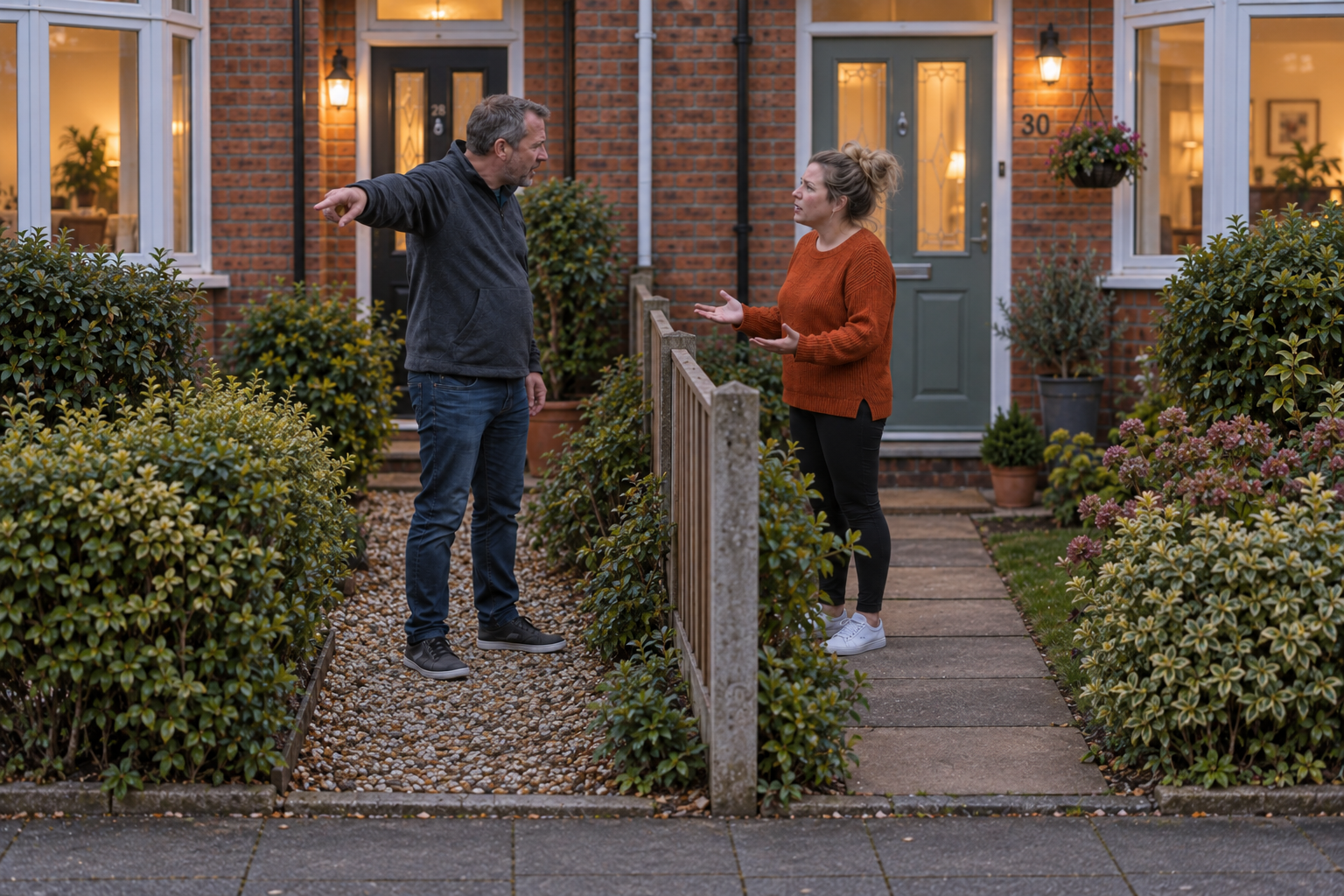
Brits are being urged to brush up on their neighbourly etiquette after new research revealed the habits most likely to spark disputes – with the biggest culprits carrying fines of up to £1,000.
Nearly two-thirds of those surveyed admitted to having issues with their neighbours – 32% said they had to speak to their neighbours directly about a concern, and 33% had to take action, such as installing cameras, speaking to the council or contacting police.
A new survey by home insurance experts at Tiger.co.uk found that loud music and late-night noise are the leading cause of rows, with around one in six (16%) of respondents saying it’s their biggest irritation.
Experts are urging homeowners to be mindful of their neighbours by keeping noise levels down to help avoid complaints.
Councils can investigate noise complaints made between 11pm and 7am and issue fixed penalty notices of £110, with penalties rising to as much as £1,000 in some cases.*
Dog fouling ranked as the second biggest cause of disputes, with 14% saying failing to clean up after pets was a behaviour they found most annoying.
Parking disputes, including blocking driveways or using neighbours’ parking spaces, came third, with 12% saying it was a frustration they had experienced.
The findings also revealed the lasting impact arguments can have, with almost one in ten people admitting they avoid their neighbours because of ongoing disagreements or frustrations.
The data serves as a reminder that neighbourly etiquette can go a long way in preventing issues and maintaining positive relationships with those living nearby.
Ian Wilson, home insurance expert at Tiger.co.uk said: “No one wants to fall out with their neighbours, but it’s often the small, everyday things that end up causing friction.
“Being considerate can also help avoid unnecessary fines, as the two biggest gripes identified in our survey can result in financial penalties.
“Everyone has different routines and lifestyles, so awareness of those living nearby can make a real difference. Whether it’s keeping noise to a minimum, cleaning up after pets or parking considerately, small everyday actions can stop minor issues escalating into major problems.
“Unresolved issues could also affect the property value, if neighbours are involved in a legal dispute, sellers are legally bound to share that information with potential buyers – perhaps decreasing the chances of a lucrative sale.”
Top ten most annoying neighbourly habits ranked:
- Loud music or noise late at night (16%)
Noise late into the evening can cause disruption to other neighbours and affect their sleep. Councils have the power to investigate noise disturbances between 11pm and 7am* under the Environmental Protection Act 1990. Where necessary, they can issue a warning notice or even a fixed penalty notice of £110* rising to £1,000 if payment is refused.
- Neighbours not cleaning up after pets (14%)
Failing to clean up dog waste is an offence, and it’s not just unsightly and frustrating if stepped in, it can also pose serious health risks to vulnerable people, such as young children. It’s important to always pick it up or else risk an on-the-spot fine of £80, with refusal to pay potentially leading to a fine of up to £1,000.**
- Parking disputes (12%)
Blocking a driveway or parking in a neighbour’s space on the street is not necessarily a criminal offence, but it’s often best dealt with between neighbours before it escalates into an issue. If emergency services can’t gain access to the area due to a wayward vehicle, the driver could face hefty fines, penalty points, a driving ban, or even prosecution.
- Overgrown hedges/trees (12%)
Overgrown hedges can cause issues for neighbouring properties and may become a cause for concern. You have the right to trim any greenery overhanging your property up to the boundary line, but you must ask if your neighbour would like the clippings returned as it’s still their property. Damage caused by unruly plants could invalidate your home insurance so it’s sensible to keep up with trimming.
- Noisy pets (10%)
Noisy pets can cause issues for neighbours and lead to complaints, particularly if the disturbance is frequent or happens late at night. In many cases, it is best to try and resolve the issue directly with the pet owner first, as they may not be aware there is a problem. If the noise continues, local councils can investigate persistent nuisance noise under environmental health powers and take action where necessary.
- Smoking (4%)
Smoking cigarettes is not a criminal offence, but in certain circumstances excessive smoke can be investigated under the Environmental Protection Act 1990*** if it amounts to a statutory nuisance affecting others’ enjoyment of their property.
- Boundary or fence disputes (3%)
Boundaries are usually set out in property deeds, so it is best to check the relevant documents to understand exactly what is recorded. If there are still issues, you can try to resolve the matter with your neighbour, and if needed, seek advice from a surveyor or legal professional to help clarify the boundary position.
- BBQs or parties (3%)
BBQs or parties can sometimes lead to neighbour disputes, particularly due to noise. If you’re planning on having one, then letting neighbouring houses know ahead of time can help to reduce tensions.
- Garden noise (2%)
Noise from garden equipment such as lawnmowers can be investigated by councils if it becomes a nuisance, particularly if it occurs late at night or early in the morning, under the Environmental Protection Act 1990.*
- Bin disputes (2%)
Bin disputes can arise with overflowing bins or neighbours using your bin without permission. If the issue continues, the local council can advise on waste responsibilities and help address ongoing problems.
Tiger.co.uk gives customers the tools to help them compare and find savings on home insurance.
References:
*https://www.gov.uk/guidance/noise-nuisances-how-councils-deal-with-complaints
**https://www.keepbritaintidy.org/dog-fouling
***https://www.legislation.gov.uk/ukpga/1990/43/part/III
Survey: Tiger.co.uk’s findings are based on a randomised survey of 1,000 respondents across the UK during July 2026, which represents a margin of error of approximately 5% at a 95% confidence level.
Compare Home Insurance
We search up to 50 home insurance providers to save you hassle and money