Why is van insurance so expensive?


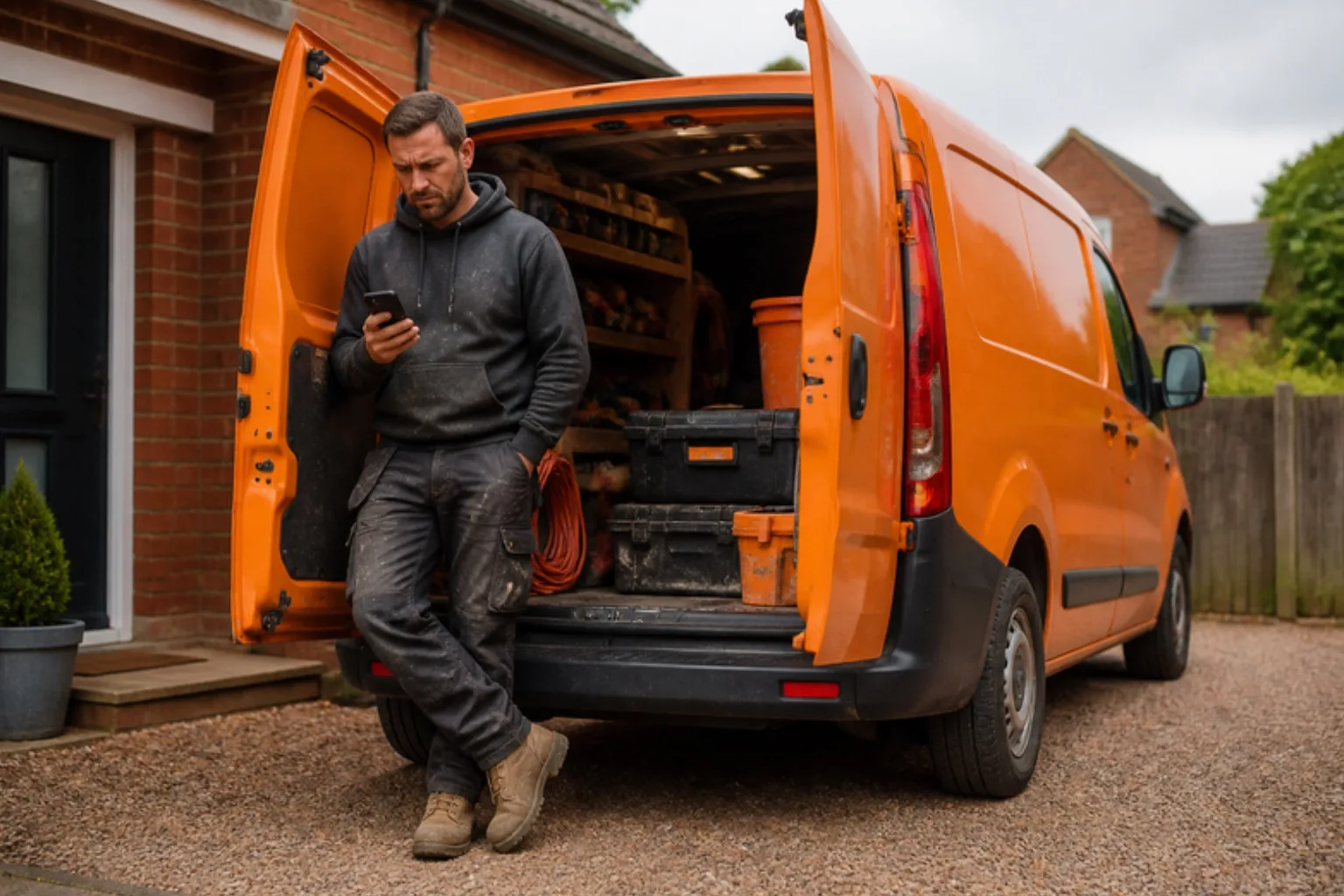
Vans usually cost more to insure than cars, because a working van is more likely to claim and its claims tend to cost more. It covers more miles, carries tools or stock, parks at the kerb outside jobs and costs more to repair. Most van premiums also include Insurance Premium Tax at the standard rate of 12% (HMRC, GOV.UK), as car premiums do.
What do insurers look at when they price a van?
Most insurers weigh similar factors, but each uses its own pricing model, so the weighting varies.
| Factor | Why it can push the price up | What you can do |
|---|---|---|
| Class of use | Business use means more time on the road and more stops. | Pick the class that matches how you really use the van. |
| Driver age and experience | Younger and newly qualified drivers are seen as more likely to claim. | Build experience, and consider a black box policy while you do. |
| Occupation or trade | Your job can affect the risk, and some trades carry valuable kit. | Describe your job accurately when you get a quote. |
| Annual mileage | More miles means more exposure to accidents. | Give a realistic estimate and update your insurer if it changes. |
| Overnight parking | A van left on the street is easier to break into or damage. | Use a driveway, garage or secure yard where you can. |
| What you carry | Tools and stock make a van a bigger target for thieves. | Empty the load area overnight. |
| Size, weight and value | Bigger, newer vans cost more to repair or replace. | Check the cost of cover before you buy a van. |
| Drivers on the policy | Each extra driver adds their own record and experience. | Only add people who genuinely need to drive it. |
| Claims and convictions | Recent claims or points suggest a higher chance of future claims. | Build a claim-free record and drive within the van speed limits. |
| Security | Weak locks and no tracker leave the van and contents exposed. | Ask your insurer which approved devices it recognises. |
How does what you use the van for change the price?
Your class of use is one of the biggest influences on the quote, because it tells the insurer how hard the van works. Most insurers use a few bands, though names and definitions differ.
Social, domestic and pleasure
This covers personal trips, such as moving house. It usually costs less than business use, but it will not cover any paid work.
Carriage of own goods
This suits tradespeople who carry their own tools and materials to jobs. If you run a trade from your van, comparing business van cover lets you set the use against the work you do.
Carriage of goods for others
Couriers carrying other people’s parcels for payment need this band. It tends to cost the most, because of high mileage and frequent stops. Many couriers also look at goods in transit insurance, as a van policy is mainly about the vehicle.
Picking a cheaper class than you need can backfire. For personal policies, you must take reasonable care not to misrepresent anything to your insurer (Consumer Insurance (Disclosure and Representations) Act 2012, section 2). If a misrepresentation was deliberate or reckless, the insurer can avoid the policy and refuse all claims (Schedule 1 of the same Act).
Why does a bigger van cost more to insure?
A larger van can do more damage in a collision and has pricier parts to repair. Weight also decides what you can legally drive.
A standard category B car licence covers vehicles up to 3,500kg maximum authorised mass. For electric or hydrogen vehicles the limit is 4,250kg (GOV.UK driving licence categories). Above that, you need a different licence.
Most vans also have lower speed limits than cars. Goods vehicles up to 7.5 tonnes are limited to 50mph on single carriageways and 60mph on dual carriageways. Cars and car-derived vans get 60mph and 70mph (GOV.UK speed limits). Forgetting this can mean speeding points, which insurers ask about.
Can you use a car no claims bonus on a van?
Sometimes, but it depends on the insurer, so ask before you buy. The Financial Ombudsman Service says the no claims discount is not set and varies between insurers (Financial Ombudsman Service).
It also lists common misunderstandings. One is expecting an insurer to accept a commercial no claims bonus for a private car. Another is named drivers assuming their record can move to their own policy.
A fault claim without protection normally cuts your bonus by 2 years, the Ombudsman notes. Each insurer should explain its own approach in the policy.
Worked example: one van, two very different quotes
Callum is a self-employed tiler in Leeds with a mid-size panel van. His first quote was for social use only, parked on the street, with his 20-year-old apprentice as a second driver.
Social use would not cover driving to jobs, so he switched to carriage of own goods. That raised the price, but it is the cover his work needs. To balance it, he moved the van into a rented locked yard, fitted an approved steering lock and removed the apprentice.
The second quotes reflected the real risk. Callum also takes his tiles and cutters out each night, as his policy excluded tools left in the van overnight.
Why has my van insurance gone up at renewal?
A renewal price can rise even with no claims, because insurers reprice each year using their latest costs and your details. A new conviction, a house move or an extra driver can all move it.
For personal (consumer) motor policies, including vans insured by individuals, FCA pricing rules have applied since 1 January 2022. Your renewal price should be no higher than a new customer would pay (FCA, May 2021). Vans insured for business use may fall outside this. Either way, other insurers may price your van differently, so comparing at renewal makes sense.
How can you make your van cheaper to insure?
Give insurers fewer reasons to see your van as a risk, then compare the quotes that come back:
- Match your class of use to the work you really do.
- Park off the road overnight if you can, and declare where the van is kept.
- Fit security your insurer recognises, such as an approved lock or tracker.
- Consider a black box van policy if you are a newer driver.
- Keep named drivers to the people who need the van.
- Raise the voluntary excess only to a level you could pay.
- Take tools out overnight, and read our guide on whether van insurance covers tools.
Third party cover is the legal minimum for any vehicle on UK roads (GOV.UK vehicle insurance). It covers far less than comprehensive, so compare what each level includes as well as the price.
Is van insurance more expensive than car insurance?
Usually, but the gap depends on how the van is used. A small van kept for personal trips, driven by someone with years of claim-free driving, can be priced close to a similar car. A business van doing high mileage with tools on board usually costs more, because it spends longer on the road and is a bigger target for theft. Comparing quotes for your own details is the only way to see the real difference.
Why is my van insurance so high when I have never claimed?
A clean record helps, but insurers also price the van, where it is parked, its use, the mileage and every driver. A large business van parked on the street can still cost a lot.
Does a black box make van insurance cheaper?
It can, especially for newer drivers, because the price reflects how you actually drive. Careful driving may lower the cost, while harsh braking could raise it.
Do you pay tax on van insurance?
Yes. Most van premiums include Insurance Premium Tax at the standard rate of 12%, according to HMRC guidance on GOV.UK. HMRC lists a higher 20% rate for certain insurance sold with some motor vehicles. The tax is built into the price you are quoted.
Does adding a second driver make van insurance cheaper?
It depends on who you add. Each extra driver brings their own age, experience and record into the price, so check quotes with and without them.
Will speeding points affect my van insurance?
They can, because insurers ask about motoring convictions. Most vans count as goods vehicles with lower limits than cars, though car-derived vans follow car limits.
Are my tools covered by van insurance?
Standard van policies focus on the vehicle, and tools are often excluded or covered only up to a limit. Check your policy wording or ask the insurer.
Is third party van insurance always cheaper?
Not necessarily. Third party is the legal minimum, but prices vary by insurer and driver, and it covers far less. Compare third party and comprehensive quotes side by side.
What to do next
Have your van’s registration, licence details, claims history and an honest mileage estimate ready.
When you are ready, you can compare van insurance quotes on Tiger.co.uk with one short form. If you work on customers’ premises, you may also want to look at public liability insurance. Prices and cover vary, so read the policy wording before you buy. Tiger.co.uk compares quotes and is not an insurer.
Fact-checked by Ian Wilson, Managing Director at Tiger.co.uk. 20+ years in price comparison; MEng, Queen’s University Belfast.