Can you drive any car with fully comprehensive insurance?


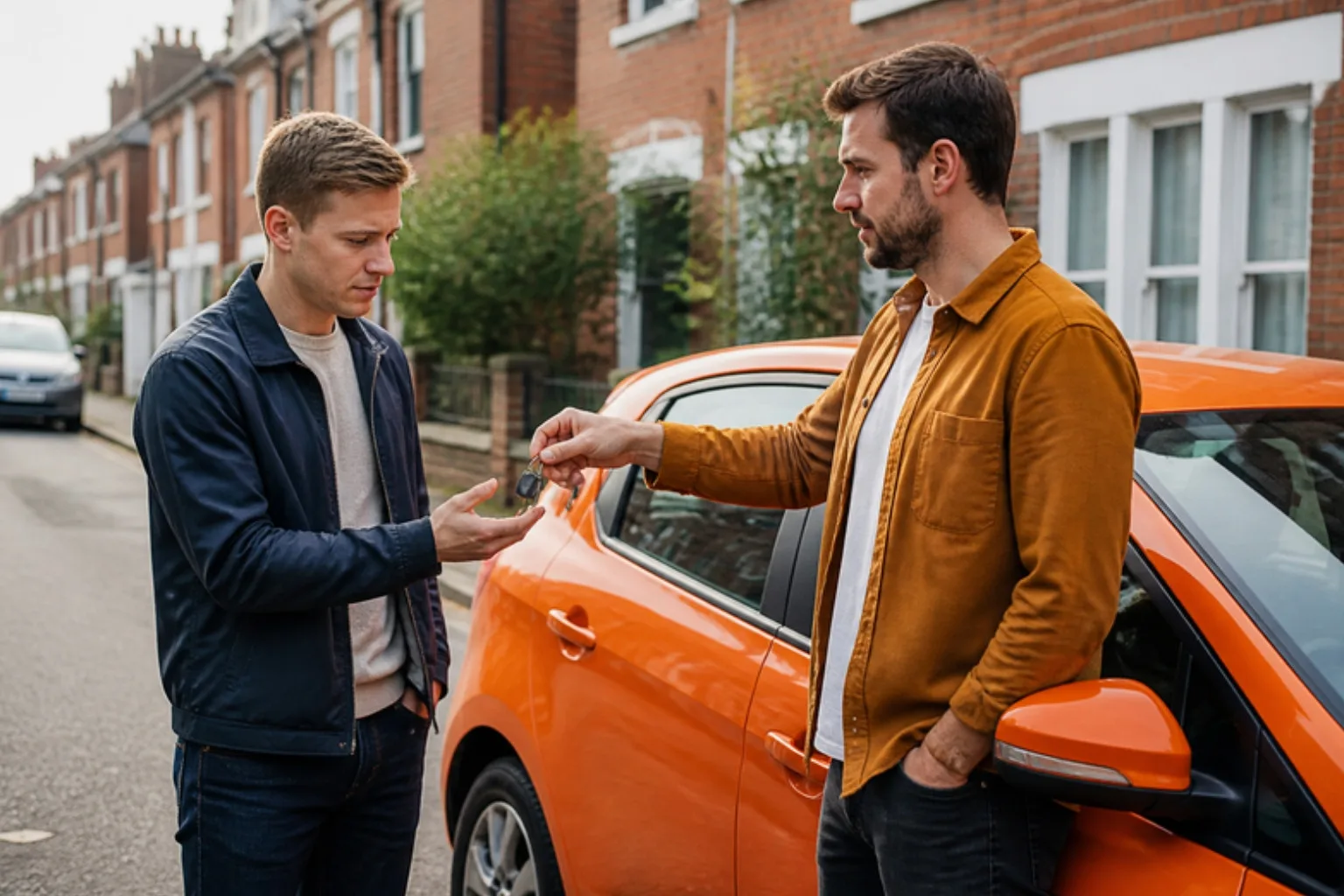
Not automatically. A fully comprehensive policy covers the car named on it, and it only covers you in a different car if it includes driving other cars cover. The Association of British Insurers says this cover may only be third party, even when your own car is insured comprehensively (ABI).
Why does fully comp not cover every car you drive?
Car insurance is set up around a specific car and the people named to drive it. The insurer prices the risk of that car, so “fully comprehensive” describes the cover on your car, not on you.
That matters because the law looks at the driver as well as the vehicle. GOV.UK says that even if a vehicle is insured, you can be penalised if you are not correctly insured to drive it (GOV.UK).
For what fully comp includes on your own car, see the fully comprehensive car insurance page.
What is driving other cars cover?
Driving other cars (DOC) cover is an extension on some policies that lets you drive a car you do not own.
It normally only applies if the other car has its own insurance, and the level of cover may be third party.
Third party cover pays for damage or injury you cause to other people, vehicles, animals or property (GOV.UK). It does not pay to repair the car you are driving.
Conditions that often apply
Insurers word the clause differently. Look for these points:
- Who it covers: often the policyholder only, not named drivers.
- Level of cover: third party only, or the same as your own car.
- Whose car: usually not one you own or one hired or leased to you.
- The other car: it must be insured, and the owner must give permission.
- Use: some clauses are meant for emergencies or occasional trips only.
- Age: some insurers only offer it to drivers above a set age.
- Vehicle type: vans and commercial vehicles may be excluded.
How to check if your policy has it
Start with your certificate of motor insurance and look at the section on who may drive and which vehicles. Then search the policy booklet for “driving other cars” or “other vehicles”.
If the wording is unclear, call your insurer before you drive and ask what level of cover you would have.
Can a named driver use driving other cars cover?
Usually not. Where DOC exists, it is commonly limited to the policyholder, so being named on someone else’s fully comp policy does not let you drive other cars.
If you are named on a parent’s policy and want to borrow a friend’s car, you need separate cover for that car.
What cover do you have in each situation?
It depends on whose car it is and how often you drive it. Policies vary, so check your own wording.
| Situation | Will your fully comp policy cover you? | Ways to get covered |
|---|---|---|
| A second car you own | No | A separate policy or a multi-car policy |
| A friend’s insured car for one trip | Only with a DOC clause that fits, often third party | Temporary cover for the hours or days you need |
| A partner’s or parent’s car every week | Not suitable for regular use | Be added as a named driver on their policy |
| A hire car | Not usually needed | Cover comes with the hire; excess cover is optional |
| Your employer’s car or van | No | Your employer’s policy |
| A car you have just bought | No, even with DOC | Insure it before you drive it home |
Borrowing a van rather than a car raises extra questions, covered in our guide on driving a van on car insurance.
What are the safer alternatives to relying on DOC?
If you plan to borrow a car, cover set up for that car is usually simpler than relying on an extension.
- Named driver: being added to the owner’s policy suits regular use. It only fits if you are not the main user of the car.
- Temporary cover: a short policy in your name on the borrowed car. Tiger.co.uk compares temporary insurance from 1 hour up to 28 days.
- Your own policy: if you use the car most, it should be insured with you as the main driver.
Always name the person who really drives the car most; anything else is fronting, explained in our named driver guide.
Example: borrowing a sister’s car for a hospital run
Tom lives in Leeds and has a fully comprehensive policy on his hatchback. One morning it will not start, and his dad has a hospital appointment. His sister offers her car.
Tom checks his certificate. It says the policyholder may drive other private cars with the owner’s permission, on a third party basis. His sister’s car is insured, so he can drive his dad there legally.
On the way he clips a bollard in the car park. His DOC cover would deal with damage to someone else’s property, but not with the scrape on his sister’s car. He would need to sort that out with her himself.
A month later Tom needs a car for a week while his is repaired. He takes out a temporary policy in his name on his sister’s car, so her policy and her no claims discount are not involved.
What happens if you drive a car you are not insured on?
The police can give you a £300 fixed penalty and 6 penalty points for driving a vehicle you are not insured to drive (GOV.UK).
If the case goes to court, you could face an unlimited fine and be disqualified from driving. The police can also seize the vehicle, and in some cases destroy it.
Not sure whether the car itself is insured? Our guide on how to check if a car is insured walks through the free and paid checks.
Am I insured to drive a friend’s car because their policy is fully comprehensive?
Not by that fact alone. Their policy covers the drivers it names, so it only covers you if you are listed on it or it allows any driver. Otherwise you need driving other cars cover on your own policy, or a short-term policy for their car.
Do fully comprehensive policies still include driving other cars cover?
It depends on the insurer. Some include it, some limit it to certain drivers or ages, and some do not offer it at all. Do not rely on what an older policy allowed. Check the current certificate and policy booklet, or ask the insurer.
Can I drive my partner’s car on my own insurance?
Only if your policy has a driving other cars extension that fits the situation, and their car is insured. Even then you may have third party cover only. If you drive it often, being added to your partner’s policy is usually the cleaner route.
Does driving other cars cover let me drive a second car I own?
No. Driving other cars cover is for vehicles that belong to someone else. A second car you own needs its own policy, or a place on a multi-car policy, before you drive it on the road.
Am I covered by my own policy when I drive a hire car?
Usually not, and you normally do not need to be. Rental firms arrange insurance for the hire car, with an excess you pay if it is damaged. A separate car hire excess insurance policy can pay that excess back.
Can I drive a company car on my personal car insurance?
A company car should be insured by your employer, who also decides who is allowed to drive it. Ask your employer to confirm you are covered, and for what kind of use, before you set off.
Does driving other cars cover work if the borrowed car has no insurance?
No. This cover only applies when the other vehicle is insured, so it cannot fill a gap in the owner’s cover. The owner can check their car is on the Motor Insurance Database for free with askMID.
Will a claim on driving other cars cover affect my no claims discount?
It can. An accident while you use this cover is a claim on your own policy, so it may affect your no claims discount. Each insurer has its own rules, so read the policy booklet.
What to do next
Before you drive any car you do not own, check three things: that it is insured, that your cover reaches it, and what level of cover you would have.
If your policy does not stretch to it, or only gives third party cover, look at short-term cover or being added as a named driver. To review your own policy, Tiger.co.uk compares quotes from a range of UK insurers. You can get car insurance quotes on Tiger.co.uk in a few minutes, or read more on our car insurance page.
Policies vary, so check the wording or ask the insurer if you are unsure what you are covered for.
Fact-checked by Ian Wilson, Managing Director at Tiger.co.uk. 20+ years in price comparison; MEng, Queen’s University Belfast.