Do you need legal cover on car insurance?


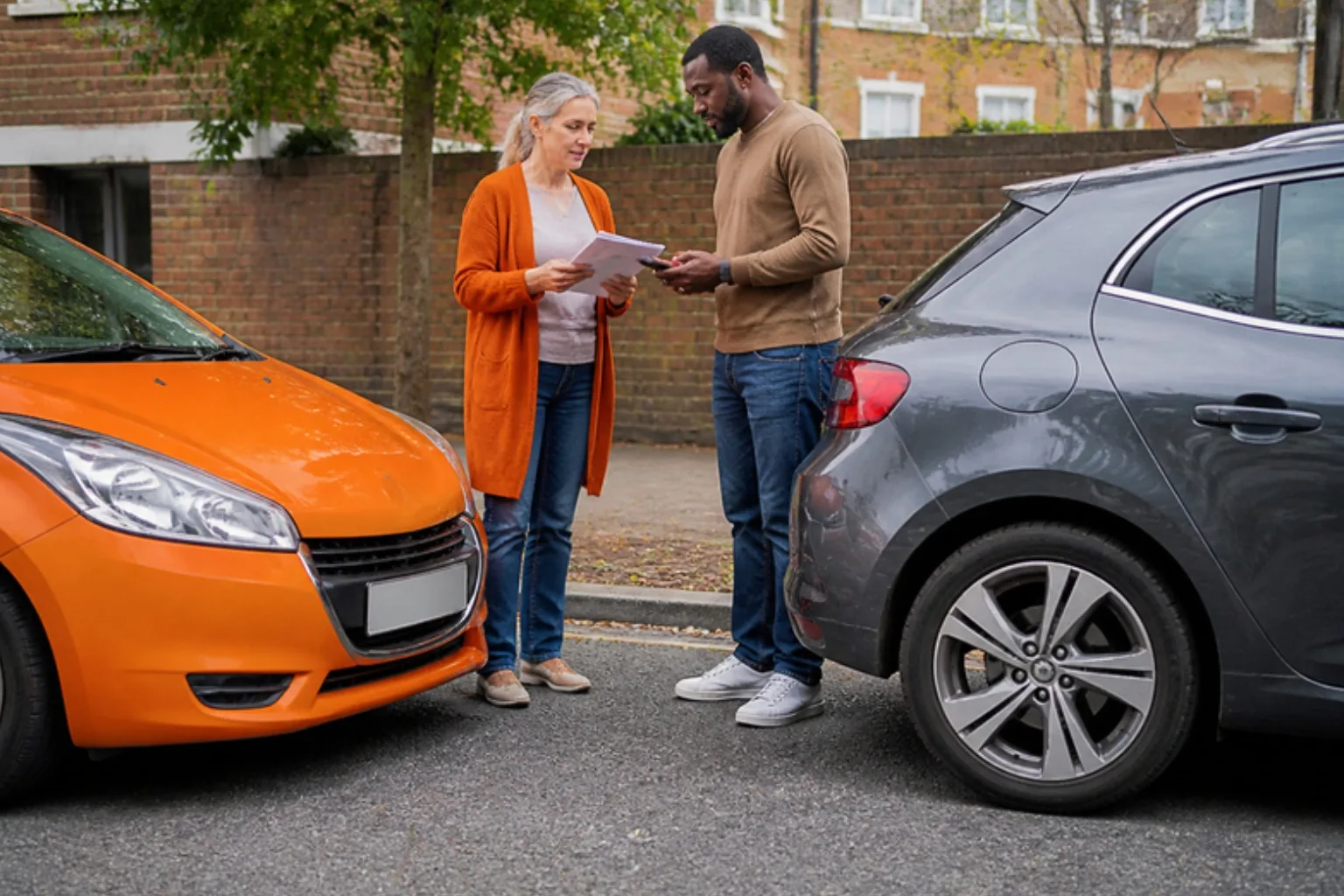
No. The law only asks for third party insurance, which GOV.UK confirms is the legal minimum for driving on UK roads. Motor legal protection is an optional extra that pays a solicitor to recover money you lose after a crash that was not your fault.
Whether legal cover on car insurance earns its place depends on how much you drive and what other cover you already hold. It also depends on how you would cope with a disputed claim on your own. It can matter more if you only hold third party cover, because your own policy will not pay to repair your car after a crash that was not your fault.
What does motor legal protection pay for?
It mainly pays legal costs to claim back your “uninsured losses” from the driver who caused the accident. These are costs your own car policy does not refund, even when you are blameless.
- Your policy excess, if your own insurer repaired the car first
- The repair cost of your own car, if you have third party or third party, fire and theft cover (policies vary)
- Lost earnings if an injury keeps you off work
- Compensation for injuries to you or your passengers
- Travel or hire costs while your car is off the road
- Damaged personal belongings, such as a phone or child seat
Some policies add cover to defend certain motoring prosecutions, plus a phone line staffed by legal professionals. Every policy sets its own limit of indemnity and list of exclusions, so check the policy wording for the exact scope.
Why your main car policy does not already do this
Your main policy deals with damage and claims made against you, not chasing someone else for your losses. Third party cover pays others when you are at fault. Comprehensive cover also repairs your own car. Neither usually pays a solicitor to pursue the other driver for your injury or lost wages.
That gap is why legal expenses cover exists. The Financial Ombudsman Service notes that most of these policies are sold as an optional extra on car or home insurance, rather than as standalone products.
When does legal cover make the biggest difference?
It matters most when fault is disputed, someone is hurt, or the claim is too small to attract a lawyer on good terms. The table compares common situations.
| Situation | Without legal cover | With legal cover (typical) |
|---|---|---|
| Other driver admits fault quickly | Insurers usually settle between themselves; you chase any extras yourself | Panel solicitor pursues your excess and other losses for you |
| You have third party or third party, fire and theft cover | Your policy will not repair your car, so you claim the cost from the other driver yourself | Solicitor can pursue the other driver for your repair bill, if the wording includes it |
| Fault is disputed | You gather evidence and argue the case, or pay a solicitor | Solicitor builds the case if prospects look good |
| Minor injury in England or Wales | Lower-value claims sit on the small claims track, where recoverable legal costs are limited | Policy pays your solicitor up to its limit |
| Hit by an uninsured or hit-and-run driver | You can claim through the Motor Insurers’ Bureau | Solicitor can help prepare the claim, if the wording allows |
| Accused of a motoring offence | You pay for any defence yourself | Only covered if the policy includes prosecution defence |
The small claims track for injuries
In England and Wales, an adult driver or car passenger hurt on or after 31 May 2021 normally has a small claim when the injury damages are £5,000 or less. The whole claim must also be £10,000 or less (Civil Procedure Rules, rule 26.9). A lower £1,000 limit applies to some other claimants, such as motorcyclists, cyclists, pedestrians and some children (rule 26.10). Part 27 of the same rules limits the costs you can recover on that track. In practice, a solicitor’s bill for a modest injury claim can fall on you, which is where legal cover helps.
If the other driver had no insurance or drove off, the Motor Insurers’ Bureau handles claims against uninsured and untraced drivers. Scotland and Northern Ireland have their own court rules, so check how your policy applies there.
Worked example: a rear-end shunt in Leeds
Priya is waiting to turn right in Leeds when a van runs into the back of her hatchback. She hurts her neck and misses a week of work. The van driver later tells his insurer she reversed into him.
Priya has comprehensive cover, so her insurer repairs the car and she pays her excess. Her legal cover passes the case to a panel solicitor. The solicitor reviews her dashcam clip and a witness statement, then judges the claim likely to succeed.
The solicitor then claims her excess, lost pay and injury compensation from the van insurer. Without the add-on, Priya would have to run that claim herself or fund a solicitor. Footage like hers often settles arguments early, though how you fit a dashcam can matter to your insurer (our dashcam guide explains why).
When might you not need motor legal protection?
You may not need it if equivalent cover already exists elsewhere, or if the losses it protects are small for you. Look at your circumstances honestly before adding it.
- Your home insurance may include family legal expenses that stretch to motoring disputes. Read the wording before paying twice.
- Your car policy may already include legal cover, so check the schedule before buying it again.
- If you drive rarely and could absorb a lost excess, the add-on may give little value.
- Drivers comfortable handling a small claim themselves may decide to go without.
What catches people out when they claim?
The biggest hurdle is the “reasonable prospects of success” test. The Financial Ombudsman Service reads it as a 51% or better chance of winning, judged by a qualified lawyer (FOS, legal expenses insurance).
- The insurer normally appoints its own panel firm. Your right to pick your own lawyer usually starts once court proceedings are needed.
- That right is set in law. Regulation 6 of the Insurance Companies (Legal Expenses Insurance) Regulations 1990 says you are free to choose your lawyer for proceedings and where there is a conflict of interest.
- The policy may cap what it pays a solicitor outside its panel, so any gap in fees could be yours.
- Most policies ask you to report an incident as soon as you know it could lead to a legal claim. The ombudsman usually decides a genuine claim should not be turned down for late notice, unless the delay harmed the insurer’s position. Reporting promptly still protects evidence and witnesses.
- Cover bought before an incident protects future events. Cover for an action already under way is a separate “after the event” product.
Checklist before you add legal cover
- Is it already included in your car or home policy?
- What is the limit of indemnity per claim?
- Does it cover injury claims, uninsured losses, or both?
- Are named drivers and passengers covered?
- Does it include defence against motoring prosecutions?
- Does it apply outside the UK, for example on a European trip?
- How soon must you report an incident?
Is legal cover a legal requirement on car insurance?
No. The only legal requirement is at least third party cover, which GOV.UK lists as the minimum for UK roads. Motor legal protection is always optional, whichever level of cover you choose.
Is motor legal protection worth paying for?
It depends on your situation. It tends to suit drivers who cover high mileage, carry passengers or rely on their car for work. It can also help third party drivers recover repair costs after a non-fault crash. Compare what it covers against its price on each quote.
Do I need legal assistance if the accident was not my fault?
Not always. When the other driver accepts blame, insurers often settle without solicitors. Legal assistance helps most when fault is disputed, someone is injured, or you want to recover losses your own policy will not refund.
Can I choose my own solicitor with legal cover?
Usually from the point court proceedings are needed, or if a conflict of interest arises. The 1990 legal expenses regulations protect this right, though your policy may limit the hourly rate it pays a solicitor outside its panel.
What does “reasonable prospects of success” mean?
It is the test insurers use before funding a case. The Financial Ombudsman Service interprets it as a 51% or better chance of winning, assessed by a suitably qualified lawyer using the evidence available at the time.
Does legal cover help if an uninsured driver hits me?
It can help you prepare and pursue the claim, depending on the wording. Claims against uninsured or untraced drivers in the UK generally go through the Motor Insurers’ Bureau, which follows the government’s uninsured and untraced drivers agreements.
Can I add legal cover after an accident has happened?
Adding it afterwards will not usually cover an incident that has already happened, because standard legal cover protects future events. Cover for a dispute already under way is a separate after-the-event policy, normally sold on its own.
Does legal cover pay out if the accident was my fault?
Generally no for recovering your own losses, because there is nobody else to claim from. Your main insurer handles claims made against you. Some policies do help defend certain motoring prosecutions, so check the wording.
Who can I complain to if my legal expenses claim is refused?
Complain to the insurer first. If you are unhappy with its final response, the Financial Ombudsman Service can review how the claim was handled. Concerns about the quality of a solicitor’s work go to the Legal Ombudsman in England and Wales.
What to do next
When you compare car insurance on Tiger.co.uk, look at whether legal cover comes as standard or as an add-on on each quote. Read the limit, exclusions and solicitor terms before you decide.
You may also want to think about breakdown cover at the same time, since a roadside recovery is a separate need from legal costs. Ready to look at prices? Start a car insurance quote with Tiger.co.uk and check the extras listed on each result.
Fact-checked by Ian Wilson, Managing Director at Tiger.co.uk. 20+ years in price comparison; MEng, Queen’s University Belfast.