Who needs public liability insurance?


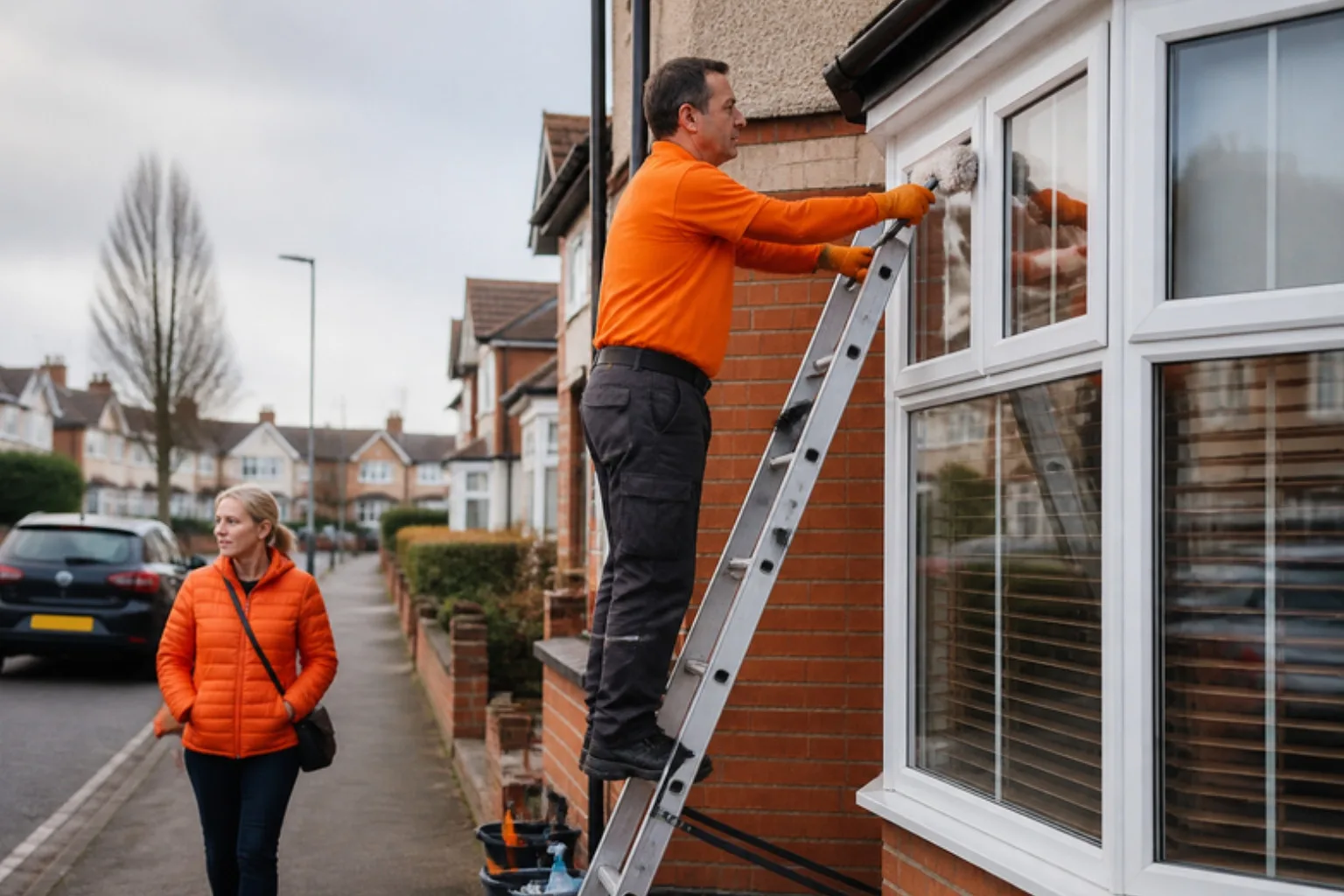
Anyone whose work could injure a member of the public or damage someone else’s property has a reason to hold this cover. For most UK businesses it is optional, but a few roles must have it, such as childminders on Ofsted’s compulsory Childcare Register in England (GOV.UK). Elsewhere, the push usually comes from a client, council or landowner who wants proof of cover first (GOV.UK).
Is public liability insurance a legal requirement?
Not for most businesses. No general law makes every firm buy public liability. A small number of activities carry their own rule, usually through a registration or licence.
Two examples on GOV.UK:
- Childminders on the compulsory part of the Childcare Register in England. Ofsted’s requirements say plainly that you must have public liability insurance (GOV.UK).
- Riding schools and horse hire in England. The licence needs cover for injuries to, or caused by, people hiring your horses (GOV.UK).
If your trade needs a licence, read the licence conditions, as that is where any insurance rule will sit. The cover the law does demand from most employers is employers’ liability, at a minimum of £5 million, from the day you take someone on (GOV.UK). Our guide on whether public liability covers employees explains why one policy cannot stand in for the other.
When will a client, council or venue ask for it?
Often, and their request usually turns a “maybe” into a “yes”. A council you deal with, or a landowner whose site you use, may require public liability before you can go ahead (GOV.UK).
You will commonly meet the request in these places:
- contracts with commercial clients, main contractors and public bodies
- event organisers, market operators and venue hire agreements
- councils granting permission to use a park or public space
- landowners letting you run an activity on their land
GOV.UK’s guide for community events adds a useful point: you can ask why insurance is being asked for, because it is not compulsory in law. If the requirement stands, check the minimum limit and wording they want before you compare quotes. Our public liability insurance page covers choosing a limit.
How can you tell if your work needs cover?
If you answer “yes” to any of these questions, public liability is worth pricing.
| Question | Why it matters | Example |
|---|---|---|
| Do customers, clients or visitors come to you? | Anyone on your premises could slip, trip or be hit by something | A barber’s shop or a home studio |
| Do you work in other people’s homes or sites? | Their property, and the people living there, are exposed to your work | A plumber or a window cleaner |
| Do you use tools, ladders, heat or chemicals? | These raise the chance of injury or damage | A decorator using a blowtorch |
| Do you trade in public places? | Passers-by count as members of the public | A market stall or street food pitch |
| Do you run classes, activities or events? | Participants and spectators can be hurt | A fitness class in a church hall |
| Has a contract, venue or council asked for it? | You may not be able to work without a certificate | A tender that names a minimum limit |
| Is all your work done online, with no visits? | Public liability risk is low, but other risks remain | A freelance copywriter |
Do sole traders need public liability insurance?
The law does not require it, but a sole trader has the most to lose personally if a claim succeeds. GOV.UK says sole traders have “unlimited liability”, meaning the owner is personally responsible for all the debts of the business (GOV.UK). Compensation you cannot pay could reach your savings or home.
A limited company is different. Owners are responsible for business debts only up to the value of their investment (GOV.UK). A large claim can still drain the company’s money, though, so many company owners hold cover for the same reasons.
The premium can count as an allowable expense: GOV.UK lists insurance under the financial costs you can claim, unless you use the £1,000 trading allowance (GOV.UK).
Who might not need public liability cover?
People whose work never puts them in contact with the public or their property. A consultant, designer or writer who works entirely online carries little public liability risk. Their bigger exposure is usually a client claiming their work caused a loss, which is what professional indemnity insurance deals with.
A one-off gathering at home may not need a separate policy either. GOV.UK says your home insurance may cover an event in your home or garden. Check with your home insurer first (GOV.UK). Running a business from home is a different question, so ask the insurer if clients visit.
Worked examples: three people, three answers
The mobile dog groomer
Hannah grooms dogs from a van outside clients’ houses in Bristol, and sometimes in their kitchens. No law requires her to hold cover, but a trip over her hose or a scratched floor would lead to a claim against her personally. Public liability is worth pricing for her.
The village fete organiser
Gareth chairs a volunteer committee running a summer fete in a council park. The council’s booking terms ask for a public liability certificate. If the condition stays, he needs cover before the day. For the hired bouncy castle, GOV.UK says to check whether the terms of hire include insurance. Food stalls run by outside businesses should have their own cover, in force on the day (GOV.UK). See our event insurance page if you are organising a one-off event.
The online bookkeeper
Priya works from her spare room in Leicester. Clients email their records and she never meets them. Public liability adds little for her today. If clients start visiting, she would tell her home insurer and price business cover.
How do you get public liability insurance?
You can buy it on its own or as part of a wider business policy, online or through a broker. Work through these steps:
- List every activity you do, including occasional jobs, because the schedule only covers what you declare.
- Collect any written requirements from clients, venues or councils, including the minimum limit and whether they want a certificate before you start.
- Choose a limit that meets the highest requirement you have, then compare quotes at that same limit.
- Look at the claim excess and where the policy applies, then read the exclusions for your kind of work.
- Confirm the firm you buy from is on the FCA’s Financial Services Register, the public record of authorised firms (FCA).
- Start cover before your first job, keep the certificate to hand and review it when your work changes.
If you work in a trade, our tradesman insurance page lists cover by job. Stallholders can start with market trader insurance.
Do I need public liability insurance if I work from home?
Only if clients, customers or couriers visit, or your work happens elsewhere. Home insurance may not cover business visitors, so ask your home insurer how it treats people who come to you for work.
Is public liability needed for a one-off event?
GOV.UK says no law requires it for a voluntary or community event. A council or landowner may still ask for it. If they do, you can ask them why, and sometimes a signed disclaimer is enough.
Does an online-only business need public liability cover?
Usually the risk is small, because you never meet the public or touch their property. A client blaming your work for a financial loss is a separate claim, handled under professional indemnity.
What changes if I trade as a limited company?
The legal position is the same, so cover stays optional. Limited liability protects owners personally, but a large claim could still use up the company’s funds, and clients may ask for it.
Can a council insist on public liability insurance?
Yes, a council can require cover before letting you use its land or granting a permission. GOV.UK says you can ask why it is needed, but if the condition stays you will need cover to go ahead.
Is public liability insurance tax-deductible for the self-employed?
Usually yes. GOV.UK lists insurance among the financial costs that count as allowable expenses for sole traders and partners. You cannot claim expenses if you use the £1,000 trading allowance.
Do volunteers and community groups need public liability insurance?
Not by law, but it helps if someone is hurt and blames the group. If you use someone else’s building, check whether their insurance covers you. Outside suppliers of food or rides should have their own cover.
What does a client mean when they ask for a certificate?
They want written proof that your policy is in force. It normally shows the insurer, your name, the limit of indemnity and the start and end dates. Your insurer or the provider you bought through can send a copy.
What to do next
If any answer above was “yes”, get prices before your next job. Tiger.co.uk sends your details to UK providers, who reply with quotes. Start a public liability quote with Tiger.co.uk, then line the quotes up at the same limit before looking at price.
Policies vary, so read the wording and ask the insurer about anything unclear. Taking on staff? Add employers’ liability, and see professional indemnity cover if clients act on your guidance or designs. Our business insurance hub sets out the other covers a business may need.
Fact-checked by Ian Wilson, Managing Director at Tiger.co.uk. 20+ years in price comparison; MEng, Queen’s University Belfast.