What is motor trade insurance and what does it cover?


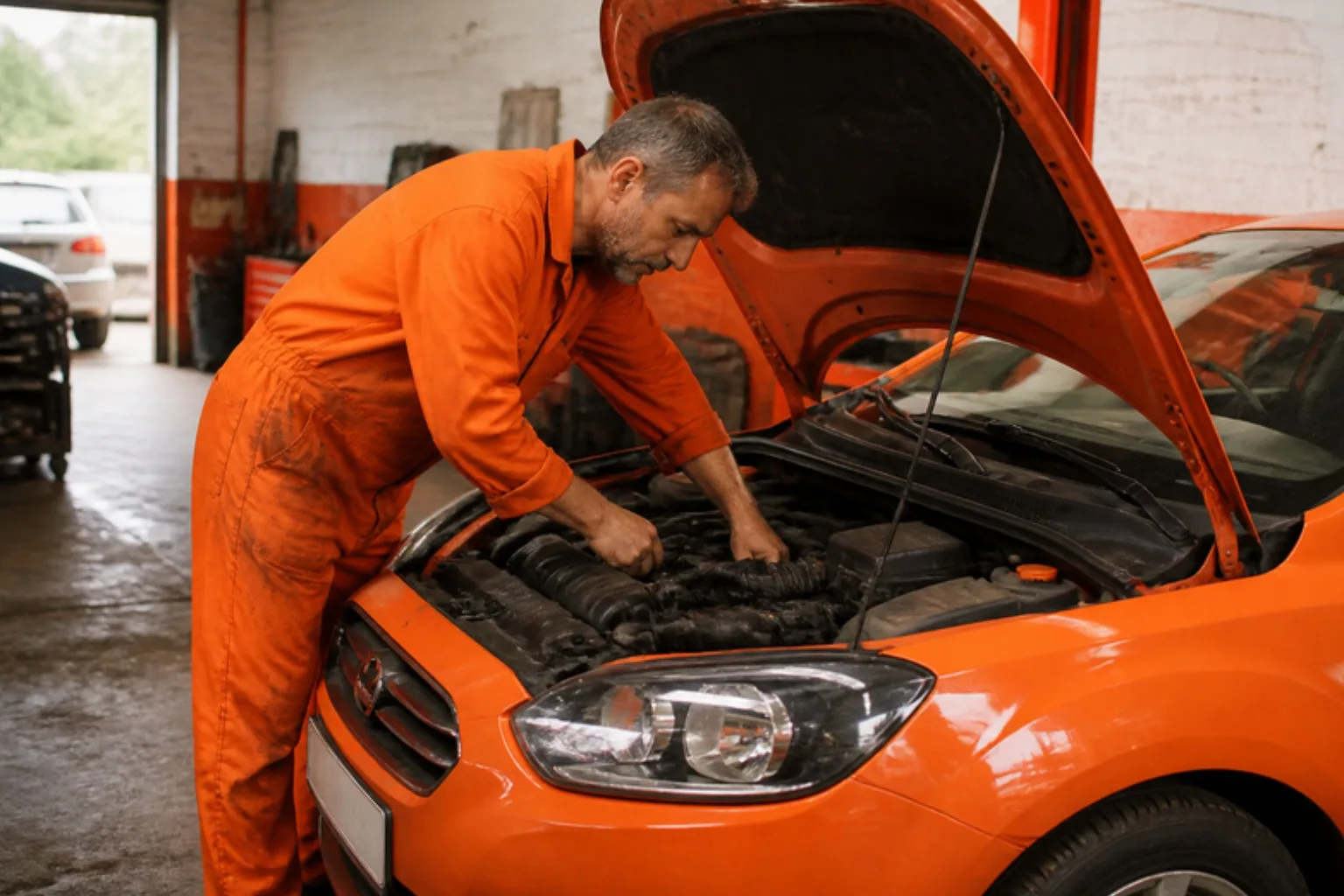
Motor trade cover is a business policy for people who drive, repair, sell or look after vehicles in their care as part of a trade. Those vehicles can be customer cars or the trader’s own stock. At its core is road risk, which insures you to drive customer cars and stock on the road. The law says anyone using a vehicle on a road or other public place needs insurance in force for that use (Road Traffic Act 1988, section 143).
Most traders then add sections for premises, tools, stock and liability. What you need depends on what you do, where the vehicles stay and who works with you.
Who needs motor trade insurance?
You are likely to need it if you buy, sell, repair, valet, deliver or recover vehicles for money, even part-time. The question is whether you are trading. Having a unit or a limited company is not the test.
HMRC uses the badges of trade to decide whether an activity is a trade. They include a profit-seeking motive, systematic and repeated transactions, improving an asset to sell it, and planning to resell soon after buying. Buying cars at auction, tidying them and selling them on within weeks ticks several of those boxes.
No single badge settles it, as HMRC looks at the overall picture. If your trade is a sideline, see part-time trade cover.
Why won’t your own car insurance cover trade work?
A private car policy is set up for your own vehicle and the uses shown on your certificate, and trade work is not one of them. If your policy has a “driving other cars” extension, read its conditions before you rely on it for trade vehicles.
GOV.UK says you can be penalised if you are not correctly insured to drive a vehicle, even when the vehicle itself is insured. The police can give a £300 fixed penalty and 6 points, and a court can add an unlimited fine and a ban (GOV.UK vehicle insurance).
What does motor trade insurance cover?
A policy is built from sections, and you pick the ones that match your risks. Road risk covers driving, while the other sections protect the business around it. Policies vary, so check which sections each quote includes and the limit on each one.
| Section | What it is for | Often chosen by |
|---|---|---|
| Road risk | Driving customer, stock and trade vehicles on the road | Every trader who drives |
| Customer vehicles in your care | Damage to or theft of customer cars at your premises | Garages, body shops, valeters |
| Stock | Vehicles you own to sell, parked on a forecourt or driveway | Dealers |
| Demonstration | Customers driving on a test drive | Dealers |
| Premises and contents | The building, tools and parts at your site | Workshop owners and tenants |
| Public and product liability | Injury or damage to others caused by your work or parts | Mechanics, garages, dealers |
| Employers’ liability | Claims from staff hurt or made ill at work | Employers (compulsory) |
| Goods in transit | Vehicles or parts carried on a trailer | Transporters |
Road risk levels
Road risk comes in three levels: third party, third party fire and theft, and comprehensive. GOV.UK says third party is the legal minimum, and it does not repair the vehicle you are driving. Our road risk page compares the levels.
Cover that stays at your premises
The off-road sections pay out when nothing is moving, such as after a workshop fire or an overnight break-in. If you only hold road risk, check whether cars standing on your driveway are covered at all.
If customers visit or you fit parts, compare the liability sections too, or see standalone public liability insurance.
What should you check before you rely on a policy?
Check who can drive, the vehicle value limit and the permitted uses. Work through this list with each quote:
- Drivers: is everyone who drives named, or is it an any-driver policy, and are there age limits?
- Maximum vehicle value: the highest value of a single vehicle covered, on the road and in stock.
- Personal use: social, domestic and pleasure use if you drive trade vehicles or your own car privately. GOV.UK is clear that continuous insurance enforcement still applies to a car kept for your own use.
- Keys and security: any conditions on where keys are kept overnight.
- Trade plates: whether vehicles on your plates are covered (see trade plate cover).
- Your own workmanship: product liability deals with injury or damage your work causes, so ask whether the policy also pays to put faulty work right.
Which parts of trade cover are required by law?
Two parts can be compulsory: road cover for any vehicle you use on a road, and employers’ liability once you take on staff. Section 143 of the Road Traffic Act 1988 makes driving without insurance in force an offence.
Employers’ liability becomes compulsory on the day your first employee starts, apprentices included. The legal minimum is £5 million, bought from an authorised insurer, and going without can cost £2,500 for each uninsured day. A business whose only staff are family members may be exempt (GOV.UK employers’ liability).
Trade plates and the in-trade exception
Trade plates depend on a trade policy. Form VTL301 needs a copy of your Motor Trade Insurance Certificate. GOV.UK says an application backed by another type of insurance will not be approved (GOV.UK trade licence plates). The vehicle must still be roadworthy, insured and have a valid MOT or exemption.
Vehicles registered as “in trade” with the DVLA, or between keepers, are excluded from continuous insurance enforcement. These rules cover Great Britain, and GOV.UK notes Northern Ireland has different rules.
Your duty to describe the business fairly
A trade policy is a business contract, so the Insurance Act 2015 applies. Before cover starts, you must tell the insurer every material circumstance you know or ought to know. If you do not, Schedule 1 lets the insurer reduce a claim proportionately or, in some cases, refuse all claims.
Worked example: a driveway sideline that becomes a workshop
Callum is an electrician who buys a few cars a year at auction. He tidies them on his driveway and sells them online. He drives each car home from the sale and takes buyers out on test drives.
Road risk suits him at first. He picks comprehensive so the car he drives is covered, and adds a demonstration section. He asks about cars parked on his driveway, because his quote has no stock section.
Two years later he rents a small unit, starts servicing customer cars and takes on an apprentice. Now he needs cover for customer vehicles, the premises and tools, liability, and employers’ liability. He tells his insurer before he moves in, because his policy was set up for driveway sales.
Questions traders ask about trade cover
Is motor trade insurance a legal requirement?
Parts of it are. Section 143 of the Road Traffic Act 1988 makes insurance compulsory for any vehicle you use on a road or other public place. Employers’ liability is compulsory once you have staff, unless they are all family. Premises, tools and stock sections are optional.
Do I need trade cover to drive a car home from an auction?
You need cover to drive that car on the road. If you buy cars to sell as a trade, road risk is the usual way to get it. GOV.UK says you must tax a vehicle you have bought before you drive it, unless trade plates allow the journey.
Can I get a trade policy without premises or a unit?
Yes. Road risk is meant for traders who work from home or on a mobile basis as well as those with a unit, as our road risk page explains. Tell the insurer where vehicles stay overnight, and check the schedule covers cars left on a driveway.
Does motor trade insurance cover delivery and recovery driving?
Only if the trade you declare includes it. Driving customer cars to their owners, or moving vehicles between sites, is trade use, so tell the insurer you do it. Carrying vehicles on a truck or trailer is a separate risk, so ask about goods in transit cover as well as cover for the truck.
Can I buy cover for one day or one car?
A trade policy is built around a business, not a single journey. If you are not trading and only need to move one car, short-term car cover is likely to be simpler. If you trade now and then, see our part-time trade cover page.
Do I still need trade plates if I have motor trade insurance?
Only for journeys in an unregistered or untaxed vehicle, such as a test drive in a car that is not yet taxed. Plates let you use that vehicle on the road for set purposes, but it must still be insured, so for those journeys you need both.
What happens if I describe my trade wrongly?
The insurer may pay less on a claim or, in serious cases, refuse all claims. The Insurance Act 2015 sets a duty of fair presentation, so tell the insurer everything material about your trade, drivers and premises.
Are my tools covered?
Only if you add a tools or contents section, because road risk on its own deals with driving. Tell the insurer where tools are kept overnight, as cover at a locked unit and cover away from it can be treated differently.
What to do next
Write down a normal month: the vehicles you drive, where they stay overnight, who drives them and whether anyone works for you. Then compare policies that match it. The Tiger.co.uk motor trade insurance page shows which policy type fits each kind of trade.
If the business also runs its own van, see van insurance. When you are ready, start a trade quote with Tiger.co.uk, then weigh up the sections and limits on each schedule before you buy.
Fact-checked by Ian Wilson, Managing Director at Tiger.co.uk. 20+ years in price comparison; MEng, Queen’s University Belfast.