How much does motor trade insurance cost?


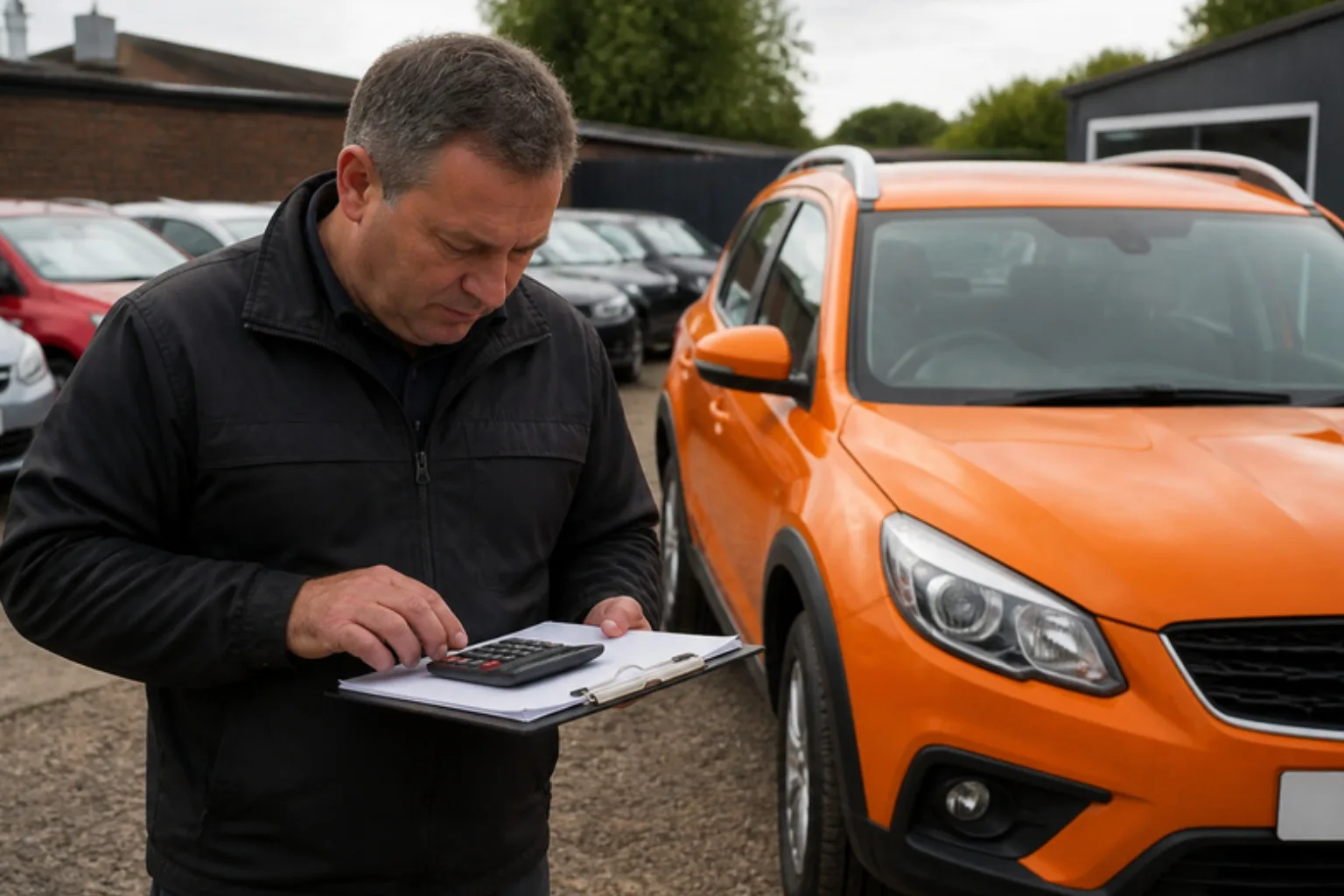
There is no fixed price for trade cover. What you pay depends on the work you do, who drives, the value of the vehicles you handle and whether you have premises. Each insurer weighs these in its own way.
Every quote already includes Insurance Premium Tax, charged at a standard rate of 12% on most general insurance (HMRC, Insurance Premium Tax). The quickest way to find your own figure is to compare quotes using accurate details about your trade.
Why is there no single price for motor trade insurance?
There is no single price because a trade policy is built from sections, and every business picks a different mix. A home-based trader may only need cover to drive vehicles. A garage with a unit, staff and customer cars on site needs far more.
The core section is road risk, which insures you to drive vehicles you do not own in the course of your trade. A combined policy adds sections for premises, tools, stock and liability. Each section you add has its own sum insured, so each one changes the price. Our motor trade insurance page sets out which mix suits which kind of business.
What sets the price of a trade quote?
The biggest levers are the type of trade, the drivers and the highest vehicle value you need covered. Here is what insurers ask and what you can check first.
| What the insurer asks | Why it moves the price | What you can do |
|---|---|---|
| Your trade type | Selling, repairing, recovery and valeting carry different risks | Describe every activity, including ones you only do now and then |
| Cover level for road risk | Comprehensive pays for damage to the car you drive, so it costs more than third party | Match the level to the value of the cars you usually drive |
| Who can drive | An any-driver policy is harder for an insurer to rate than named drivers | Name the people who really drive, with their licence details |
| Driver ages and records | Younger drivers, points and past claims add risk | Declare convictions and claims in full, as the cover depends on it |
| Highest vehicle value | The policy limit is set from the most expensive vehicle you drive or store | Give a realistic top value, not a guess on the low side |
| Stock and premises | Cars on a forecourt and a unit full of tools add theft and fire risk | List your security, such as alarms, CCTV and key storage |
| Staff | More people means more driving and more liability | Count part-time and casual helpers too |
| Extras | Trade plates, social use for your own car and cover abroad add to the risk | Ask only for the extras you will use |
| Voluntary excess | A higher excess reduces what the insurer pays on a claim | Choose a figure you could pay straight away |
What other costs come with running a trade policy?
Your yearly outlay is often more than the premium alone, because some costs sit outside the policy or come with it by law. These are the ones most traders meet:
- Insurance Premium Tax at 12%, already built into the quoted price (HMRC).
- A DVLA trade licence if you use trade plates. For cars and vans, a 12-month licence costs £177 and a 6-month one £97.35, according to the DVLA rates on GOV.UK, trade licence plates.
- Employers’ liability insurance once you take anyone on. GOV.UK says it must cover at least £5 million, and you can be fined £2,500 for every day you are not properly insured (GOV.UK, employers’ liability insurance).
- Public liability cover if customers visit your home or unit, often added as a section of a combined policy.
- Interest or a credit charge if you pay monthly.
- The excess you agree to pay towards any claim.
The trade licence fee is separate from your insurance, and GOV.UK says the DVLA wants a copy of your Motor Trade Insurance Certificate with the application. Our trade plate cover page explains how the two link up.
Is road risk only cheaper than a combined policy?
Road risk only is usually the lower-priced option, because it covers the driving and not the business around it. It leaves out your premises, tools, stock standing still and, in most cases, liability.
That gap matters once you hold stock or take on a unit. If you trade in your spare time, a part-time trade policy is priced for fewer hours on the road. Our road risk cover page sets out when driving cover alone is enough.
Worked example: how one trader’s quote changes as the business grows
Kelly lives in Doncaster and buys two or three cars a month at auction to tidy up and sell from her driveway. She works alone, has a clean licence and is 34.
For her first year she compares road risk only quotes at third party, fire and theft level. She gives the value of the dearest car she expects to buy, and adds social use so her own car is covered for personal trips. She checks whether cars parked on her drive overnight are covered, because many road risk policies leave out stock that is standing still.
Eighteen months later she rents a small unit and takes on a part-time helper aged 22. Her renewal now needs a combined policy with premises, stock and employers’ liability, plus her helper as a named driver. She expects the price to rise, so she compares quotes with the new details instead of letting the old policy roll over with gaps.
How can you lower the cost without leaving gaps?
You can usually bring the price down by giving insurers a clearer, smaller risk to price, not by cutting cover you need:
- Name your drivers instead of asking for any-driver cover.
- Set the maximum vehicle value at a realistic figure for the cars you really handle.
- Fit and declare security at your premises, such as alarms, CCTV and a locked key safe.
- Raise your voluntary excess, but only to a level you could pay if you claimed.
- Pay annually if you can, or compare the full yearly cost of monthly payments first.
- Compare quotes again before each renewal, especially after the business changes.
Sole traders and partners can usually deduct business insurance as an allowable expense when working out taxable profit (GOV.UK, expenses if you’re self-employed).
Under-declaring to get a lower price can backfire. GOV.UK says you could get a £300 fixed penalty and 6 penalty points for driving a vehicle you are not insured to drive. If the case goes to court, you could face an unlimited fine and a driving ban (GOV.UK, driving without insurance).
Common questions about the cost of trade cover
Traders often ask these when they first price a policy.
Is motor trade insurance expensive?
It often costs more than a private car policy because you drive many vehicles you do not own, often of unknown history. The price depends on your trade, drivers, vehicle values and premises, so a small home-based trader usually pays far less than a garage.
How much is road risk insurance on its own?
There is no set price, as it depends on the cover level, the drivers and the highest vehicle value. Road risk only usually costs less than a combined policy because it covers the driving and not your premises, tools or stock.
Is part-time trade cover cheaper?
Part-time policies are usually priced lower because the insurer expects fewer hours on the road and fewer vehicles. They often come with limits on vehicle values or the number of trades, so check those limits match what you do.
Why does adding a young driver raise my quote?
Insurers see drivers under 25 as a higher risk, and in a trade policy they may drive many different cars. Limiting the policy to named, experienced drivers is one way some traders keep the price down.
Does the trade plate fee include insurance?
No. The DVLA trade licence fee only pays for the licence and plates. GOV.UK says any vehicle on trade plates must still be insured, and the DVLA asks for your Motor Trade Insurance Certificate when you apply.
Can I pay for trade cover monthly?
Many insurers let you pay monthly. Spreading the cost can mean paying interest or a credit charge, so compare the total over 12 months with the single annual price before you choose how to pay.
Is motor trade insurance tax deductible?
For sole traders and partners, GOV.UK lists insurance among the allowable expenses you can deduct when working out taxable profit. Limited companies follow different rules, so check with HMRC or your accountant if you are unsure.
Will my price change if I move from home to a unit?
Usually, yes. A unit brings premises, tools and customer vehicles into the policy, and each needs its own sum insured. Tell your insurer before you move, as the policy may not cover the new address until you do.
What to do next
List your trade activities, your drivers and the highest value of any vehicle you will drive or store. Then compare quotes from UK insurers on Tiger.co.uk with one short form.
Tiger.co.uk is a comparison service, not an insurer, so the insurer you choose sets the final price and terms. Policies vary, so read the schedule before you buy. If you repair cars at customers’ homes, see our mobile mechanic cover page, or start your motor trade quote with Tiger.co.uk.
Fact-checked by Ian Wilson, Managing Director at Tiger.co.uk. 20+ years in price comparison; MEng, Queen’s University Belfast.